
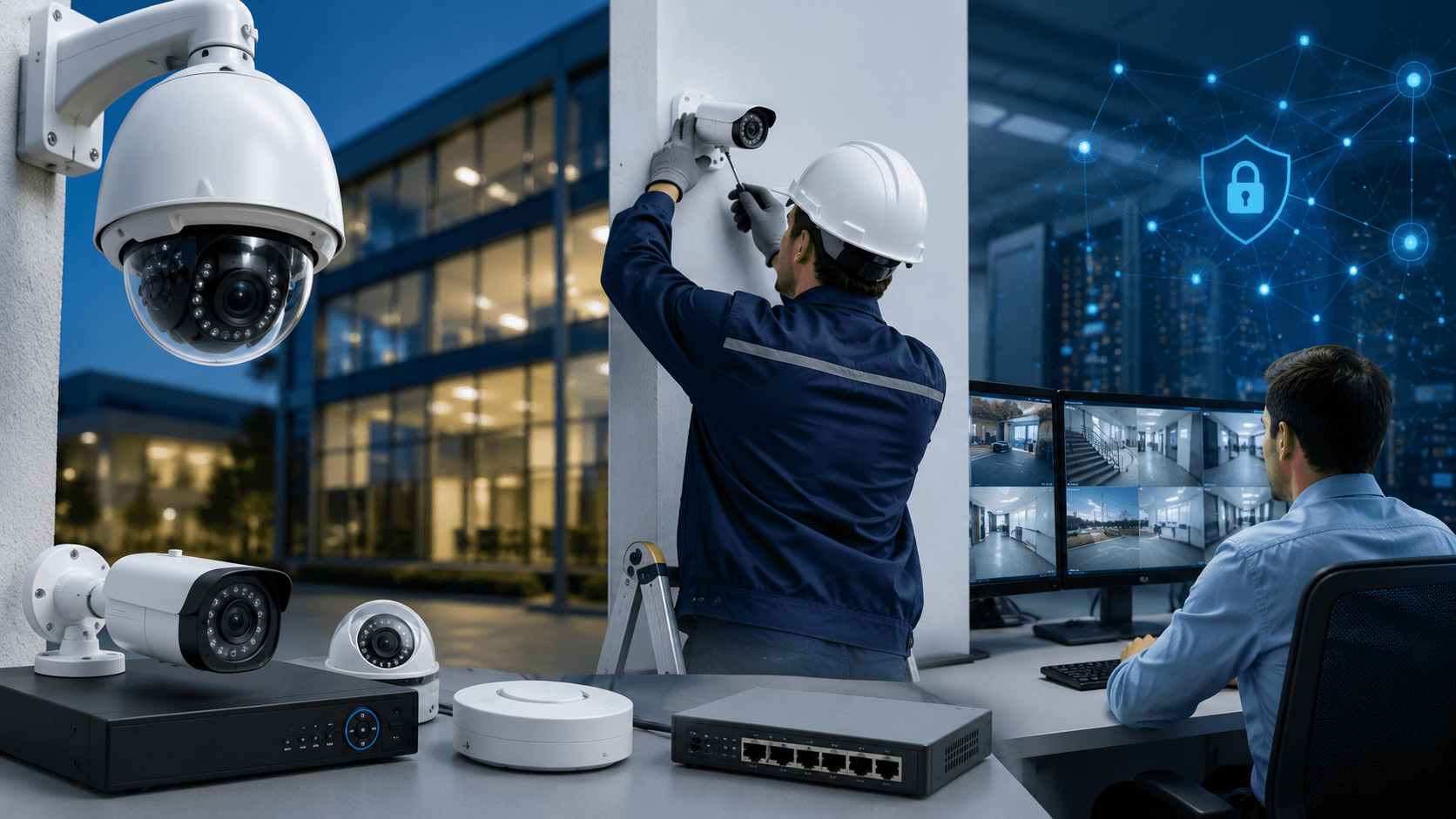
Modern facilities rely on more than individual devices to maintain visibility, operational continuity, and controlled access. Businesses today increasingly prefer connected infrastructure that allows multiple technologies to work together instead of operating independently. That shift has increased demand for experienced security system integrators who can design, coordinate, deploy, and manage complete environments that align with operational goals and future expansion requirements.
Rather than installing isolated components, integrated infrastructure combines monitoring, communication, access management, analytics, and centralized oversight into one coordinated framework. Understanding how this approach works helps organizations make better planning decisions and avoid costly redesigns later.
Understanding How End-to-End Infrastructure Integration Works
What Does an Integration Partner Actually Do?
Many organizations assume implementation is limited to installing cameras or configuring devices. In reality, integration specialists focus on making different technologies communicate efficiently.
Typical responsibilities include:
- Requirement assessment
- Site planning and architecture
- Equipment coordination
- Deployment management
- Testing and commissioning
- Monitoring configuration
- Documentation and training
This broader approach helps create consistency across operations.
Why Businesses Prefer Integrated Infrastructure Over Standalone Solutions
Standalone technologies may work independently, but connected environments often provide better operational visibility.
Benefits commonly include:
- Centralized monitoring
- Faster response workflows
- Reduced management complexity
- Better reporting visibility
- Improved scalability
This approach becomes especially valuable for facilities managing multiple locations or expanding operations.
Core Components Included in End-to-End Deployment
Implementation requirements vary depending on building type and business objectives.
Common components may include:
- Video monitoring
- Access management
- Visitor management
- Structured connectivity
- Intrusion monitoring
- Command and monitoring interfaces
- Analytics and reporting tools
Effective planning ensures these technologies support each other rather than creating fragmented workflows.
Why Planning Matters Before Installation Begins
Infrastructure performance is often determined before physical deployment starts.
Planning usually includes:
- Site assessment
- Risk identification
- Layout design
- Capacity forecasting
- Expansion planning
- Compliance consideration
Organizations that invest more time in planning typically reduce future modifications and operational interruptions.
The Role of Installation Quality in Long-Term Performance
Even strong design can underperform if execution quality is inconsistent.
Evaluation areas often include:
- Cable management
- Equipment placement
- Documentation
- Testing procedures
- Maintenance readiness
Long-term reliability depends on both design decisions and implementation standards.
How Surveillance Infrastructure Fits into Modern Operations
Monitoring technology continues evolving beyond recording and playback.
Current deployments increasingly support:
- Real-time alerts
- Remote visibility
- Event tracking
- Operational reporting
- Analytics integration
A properly designed environment allows these capabilities to work together instead of creating isolated data streams.
How to Evaluate the Right Deployment Partner
Choosing the right provider involves more than comparing quotations.
Questions worth asking:
- Can they support future expansion?
- Is documentation included?
- How are upgrades handled?
- What support process exists after deployment?
- Is implementation managed internally?
Organizations that evaluate long-term usability often achieve stronger outcomes.
Installation and Support Should Work Together
Deployment should not end at project completion.
Post-deployment priorities often include:
- Preventive maintenance
- Operational reviews
- Training support
- Software updates
- Performance optimization
When businesses evaluate a security system installer, support readiness frequently becomes just as important as installation capability.
Common Mistakes Organizations Make During Selection
Several issues repeatedly create avoidable problems.
These include:
- Choosing only on cost
- Ignoring scalability
- Overlooking documentation
- Underestimating support requirements
- Skipping future growth planning
Avoiding these mistakes often reduces long-term operational costs.
Frequently Asked Questions
What is the role of a security integration provider?
Their role includes planning, connecting technologies, managing deployment, and creating a coordinated environment that supports monitoring, control, and operational efficiency.
Is a cctv security system enough for modern commercial facilities?
A cctv security system remains an important component, but many facilities benefit from combining monitoring, access management, reporting, and centralized oversight for stronger operational visibility.
Why is integrated planning important?
Planning improves compatibility, reduces future redesign costs, and supports better operational performance.
How do businesses evaluate implementation quality?
Organizations usually review experience, documentation standards, testing procedures, scalability, and long-term support capability.
What should businesses prioritize beyond installation?
Post-deployment support, upgrade readiness, monitoring capability, and operational continuity often create more long-term value.
Conclusion
Connected infrastructure is no longer limited to individual technologies operating separately. Organizations increasingly benefit from coordinated planning, stronger visibility, structured deployment, and ongoing operational support. Businesses evaluating long-term infrastructure strategy often also compare capabilities offered by elv companies in india to build more adaptable and future-ready environments.