
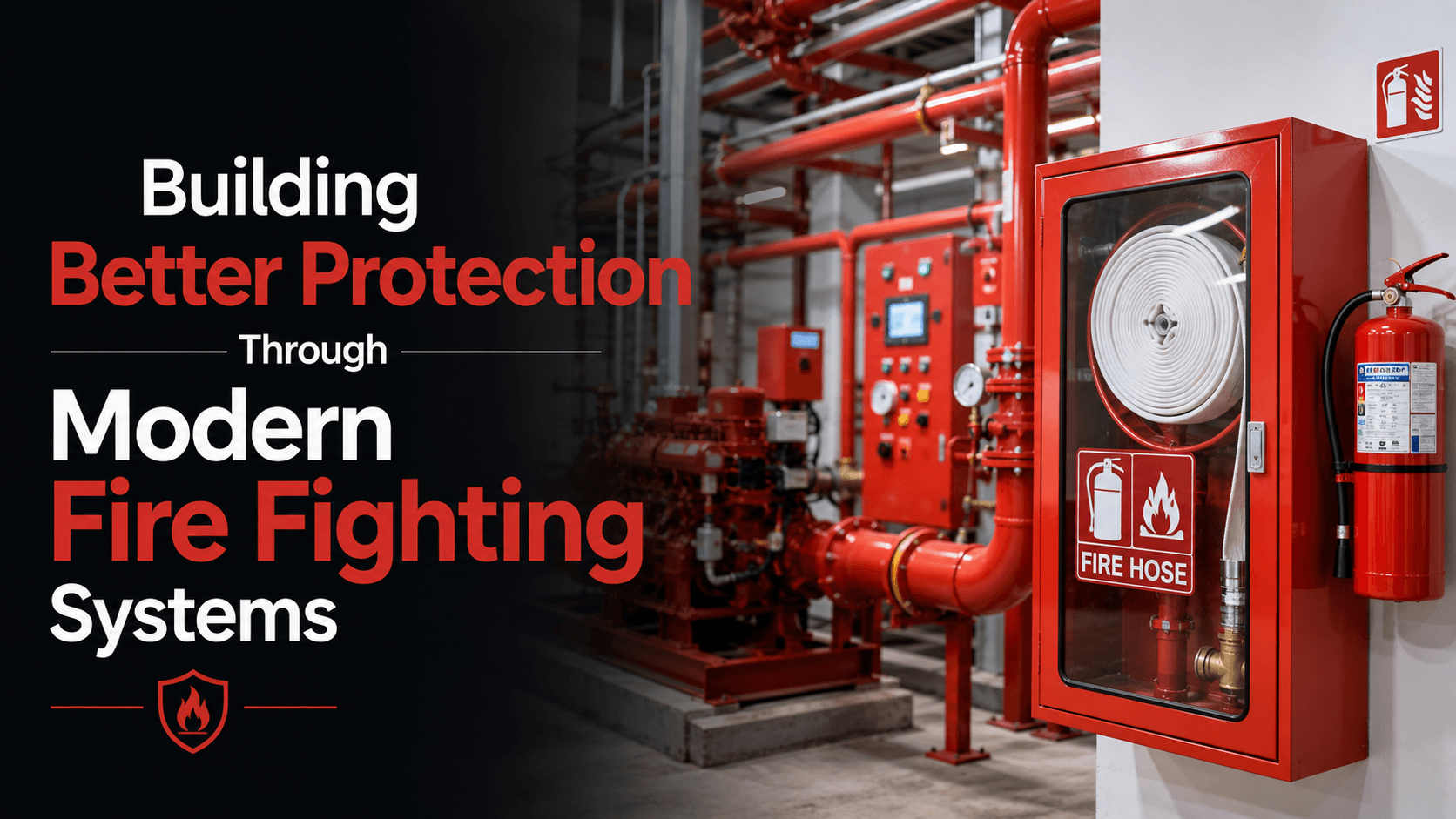
Fire safety is a fundamental requirement for buildings where people, equipment, materials, and valuable infrastructure must be protected from potential hazards. Well-planned fire fighting systems can help detect emergencies, control their development, and support an organised response. Their design needs to account for the building’s purpose, occupancy, layout, fire load, and operational environment. From commercial properties to manufacturing facilities, an effective approach combines suitable equipment with proper planning, installation, inspection, and maintenance. Understanding these elements enables organisations to create safer environments while supporting continuity during unexpected incidents.
Understanding Fire Fighting Systems for Modern Facilities
Effective fire protection begins with understanding the different risks present within a facility. A system should not be selected solely according to building size. The materials stored, activities conducted, number of occupants, and availability of emergency access can all influence the required arrangement.
Common fire safety components include:
- Fire detection and alarm equipment
- Portable fire extinguishers
- Water-based suppression equipment
- Pumps and dedicated water storage
- Hydrants and hose reels
- Emergency communication arrangements
- Fire control and monitoring equipment
Each component has a specific role. Detection equipment can provide an early warning, while suppression equipment helps control a developing incident. Water delivery infrastructure can provide the flow required for firefighting activities. When these elements are properly coordinated, they can contribute to a structured emergency response.
Industrial Fire Fighting System Planning and Risk Assessment
Industrial environments can present complex fire risks because manufacturing processes, machinery, chemicals, combustible materials, and storage arrangements may vary significantly. An industrial fire fighting system therefore needs to be developed around the specific characteristics of the facility rather than following a generic arrangement.
Risk assessment can examine several important factors:
| Consideration | Why It Matters |
| Fire Load | Determines potential fire intensity |
| Facility Layout | Influences equipment placement and accessibility |
| Stored Materials | Helps identify specific fire hazards |
| Production Processes | Reveals possible ignition sources |
| Water Availability | Supports appropriate water-based protection |
| Emergency Access | Enables faster firefighting intervention |
Industrial planning should also consider how protection equipment interacts with production activities. Equipment should remain accessible without unnecessarily disrupting normal operations. Future expansion is another consideration, as additional machinery or storage areas may alter the facility’s fire risk profile.
Integrating Safety Measures Into Building Design
Fire protection works most effectively when considered during the early planning stages of construction or renovation. Coordinating fire safety infrastructure with electrical, plumbing, structural, and HVAC requirements can reduce conflicts during installation.
Building managers and project teams should evaluate equipment locations, emergency routes, access points, water storage areas, pump rooms, and maintenance spaces. Clear signage and unobstructed access are also important because emergency equipment needs to remain identifiable and reachable when required.
Different facilities may require different approaches. Warehouses can have extensive storage-related risks, while offices may focus more heavily on occupant safety and evacuation. Kitchens, laboratories, server rooms, and production areas can each introduce specialised hazards that need separate consideration.
How a Hydrant System Supports Firefighting Operations
A hydrant system can provide an important source of water for firefighting activities, particularly across large commercial, industrial, institutional, and multi-building properties. Its design generally involves a network of pipes, water storage, pumps, valves, hydrant outlets, and associated firefighting equipment.
Several factors influence its performance:
- Adequate water storage capacity
- Correct pipe sizing and network configuration
- Suitable pump capacity
- Accessible hydrant locations
- Proper hose and nozzle arrangements
- Routine inspection and testing
Placement is particularly important. Firefighting points should be positioned so that personnel can access them efficiently across the protected area. Regular testing can help identify leaks, pressure issues, damaged valves, blocked outlets, or other conditions that could affect performance.
Maintenance should also be documented systematically. Inspection records can help facility teams track recurring issues, identify maintenance requirements, and establish a consistent safety management process.
FAQs About Fire Protection Infrastructure
1. Why is fire protection planning important?
It helps organisations identify potential hazards and establish suitable measures for detection, suppression, emergency response, and occupant protection.
2. Do industrial facilities require specialised fire protection?
Many industrial properties have distinctive hazards related to machinery, materials, processes, or storage, making a site-specific assessment important.
3. What factors affect water-based firefighting equipment?
Water availability, pressure, flow requirements, storage capacity, pipe sizing, pump performance, and equipment placement can all affect performance.
4. Why should fire equipment remain accessible?
During an emergency, blocked or difficult-to-reach equipment can delay response. Clear access helps personnel locate and use equipment more efficiently.
5. Can fire protection arrangements change over time?
Yes. Changes in building use, occupancy, machinery, storage, or production processes can alter risks and may require reassessment of existing protection measures.
Conclusion
Fire safety depends on a coordinated combination of risk assessment, suitable equipment, thoughtful design, reliable water infrastructure, regular testing, and ongoing maintenance. Each facility should be evaluated according to its individual hazards and operational requirements rather than relying on a one-size-fits-all approach. Organisations planning new installations or reviewing existing infrastructure can work with a qualified fire fighting system contractor to assess project requirements and develop an appropriate approach. secureingress can be considered within this broader process of evaluating fire protection needs for different facilities and applications.