
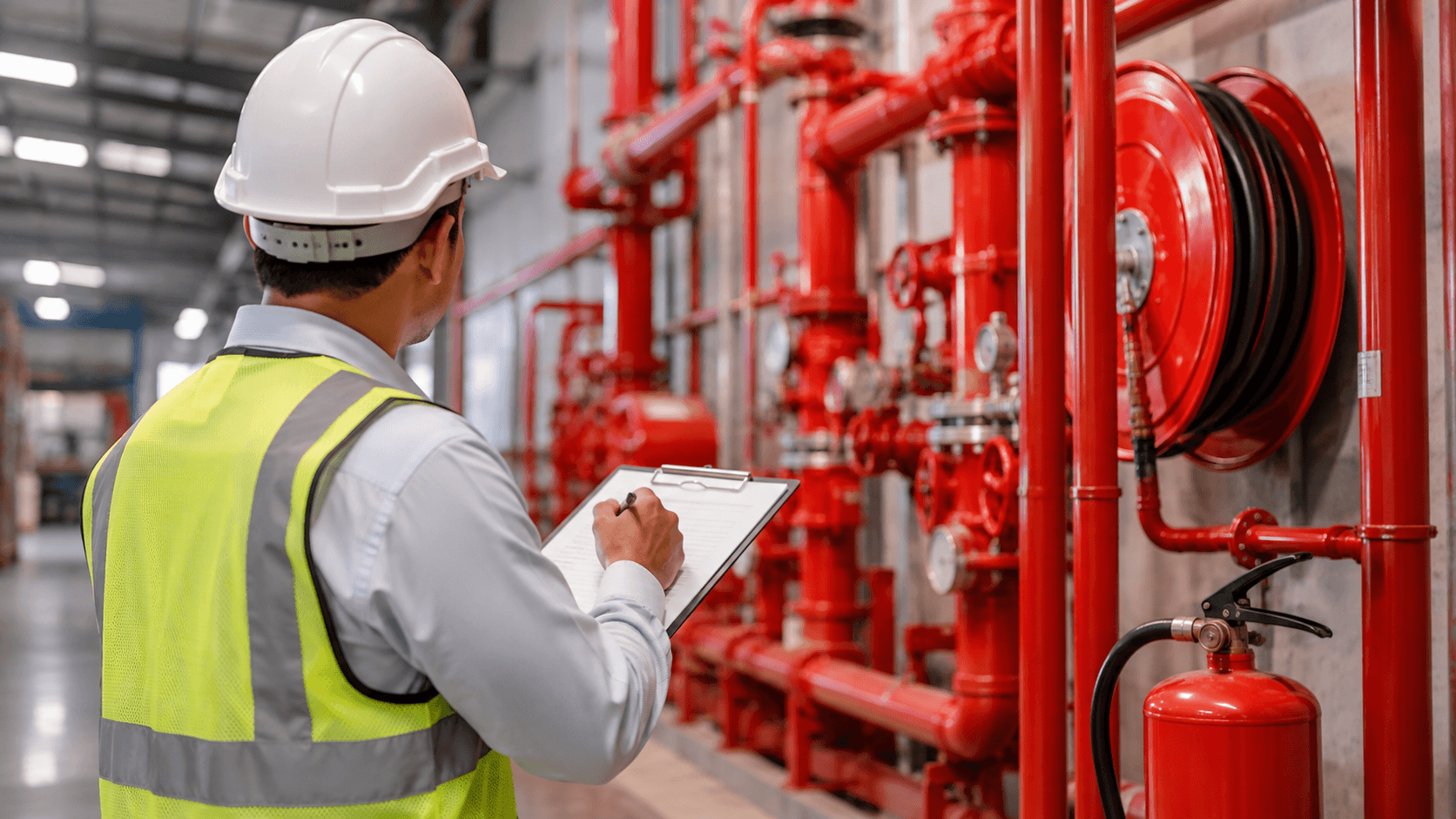
Fire safety is an essential consideration for commercial, residential, institutional, and industrial facilities. A qualified fire fighting system contractor can help organisations understand the risks associated with a property and plan suitable protection measures accordingly. Effective fire safety is not limited to installing equipment. It involves assessing the building layout, identifying possible hazards, providing suitable detection and suppression mechanisms, and ensuring that systems can function effectively during emergencies. A properly planned approach can help occupants respond quickly while supporting the protection of property, infrastructure, and critical operations.
Choosing the Right Fire Fighting System Contractor
Selecting an appropriate contractor requires attention to technical capability, project requirements, and the nature of the facility. Each building presents different risks depending on its size, occupancy, materials, processes, and activities.
A structured planning process generally considers:
- Building layout and occupancy
- Potential sources of ignition
- Fire load and combustible materials
- Emergency access and evacuation requirements
- Water availability and pressure
- Equipment accessibility for inspection and maintenance
The design should also account for how different components interact. Fire protection equipment needs to be positioned strategically so that occupants and emergency personnel can access it without unnecessary obstruction. Clear documentation and proper commissioning are equally important for long-term reliability.
Understanding Modern Fire Fighting Systems
Modern fire fighting systems combine various technologies and equipment designed to detect, control, suppress, or manage fire-related risks. The appropriate combination depends on the building’s specific requirements rather than a single standard arrangement.
Common components can include fire extinguishers, alarms, sprinklers, pumps, hydrants, hose reels, detection devices, and emergency communication equipment. Some facilities may also require specialised suppression methods for sensitive equipment or areas containing particular hazards.
| System Component | Main Function | Typical Application |
| Fire Alarm | Detects and communicates fire events | Offices and commercial buildings |
| Sprinkler System | Controls developing fires | Large occupied facilities |
| Fire Extinguishers | Provides first-response suppression | General building areas |
| Fire Pumps | Maintains required water flow | Water-based protection networks |
| Hydrant Network | Supports firefighting operations | Large campuses and industrial sites |
Proper selection helps ensure that equipment corresponds with the actual risks present within a facility.
Understanding What Makes a Fire Protection System Reliable
Reliability depends on more than choosing individual fire safety components; proper design, installation, testing, and maintenance all play an important role. Find out what makes a fire protection system reliable to understand the key factors that support consistent performance when protection is needed most.
Designing Fire Protection Around Building Requirements
Fire protection planning should begin during the early stages of construction or renovation. Incorporating safety infrastructure into the overall building design can reduce conflicts with electrical, plumbing, HVAC, and architectural elements.
The design process should consider emergency routes, equipment locations, water storage, pump rooms, access points, and maintenance requirements. Facilities may also need different approaches for areas such as kitchens, warehouses, server rooms, manufacturing floors, laboratories, and parking structures.
Regular assessment is important because risks can change after a facility becomes operational. New machinery, storage materials, production processes, or changes in occupancy may require modifications to existing protection arrangements.
Where a Hydrant System Supports Emergency Response
A hydrant system can form an important part of water-based fire protection infrastructure, particularly in larger facilities where firefighting operations may require substantial water flow. It typically involves interconnected components designed to deliver water to designated firefighting points.
Its effectiveness depends on appropriate planning of factors such as:
- Water storage capacity
- Pump selection and performance
- Pipe sizing and network design
- Hydrant positioning
- Hose and nozzle accessibility
- Inspection and testing schedules
The layout should allow firefighting personnel to reach appropriate points without unnecessary delays. Regular inspections can also help identify issues such as damaged components, leaks, blocked access, or inadequate pressure. Documentation of testing and maintenance provides useful information for facility management and safety teams.
FAQs About Fire Safety Systems
1. Why is fire protection planning important?
It helps identify potential hazards and establish suitable measures for detection, suppression, emergency response, and occupant safety.
2. Are all buildings required to use the same fire protection equipment?
No. Requirements can differ according to occupancy, building design, fire risks, size, processes, and applicable safety standards.
3. How often should fire protection equipment be inspected?
Inspection and testing schedules depend on the equipment type, applicable requirements, manufacturer recommendations, and the facility’s operating conditions.
4. Why is water pressure important in firefighting infrastructure?
Adequate pressure and flow are necessary for water-based equipment to operate as intended during an emergency.
5. Can fire protection systems be upgraded later?
Yes. Existing infrastructure can sometimes be modified when building use, occupancy, processes, or risk conditions change, subject to appropriate technical assessment.
Conclusion
Effective fire safety requires more than individual pieces of equipment. It involves coordinated planning, appropriate design, installation, testing, inspection, and ongoing maintenance. Facilities with specialised risks should evaluate their requirements carefully before selecting protection measures. For industrial environments in particular, an industrial fire fighting system should be planned around the facility’s processes, hazards, layout, and operational conditions. secureingress can be considered as part of a broader approach to understanding and planning fire protection requirements for different types of facilities.