
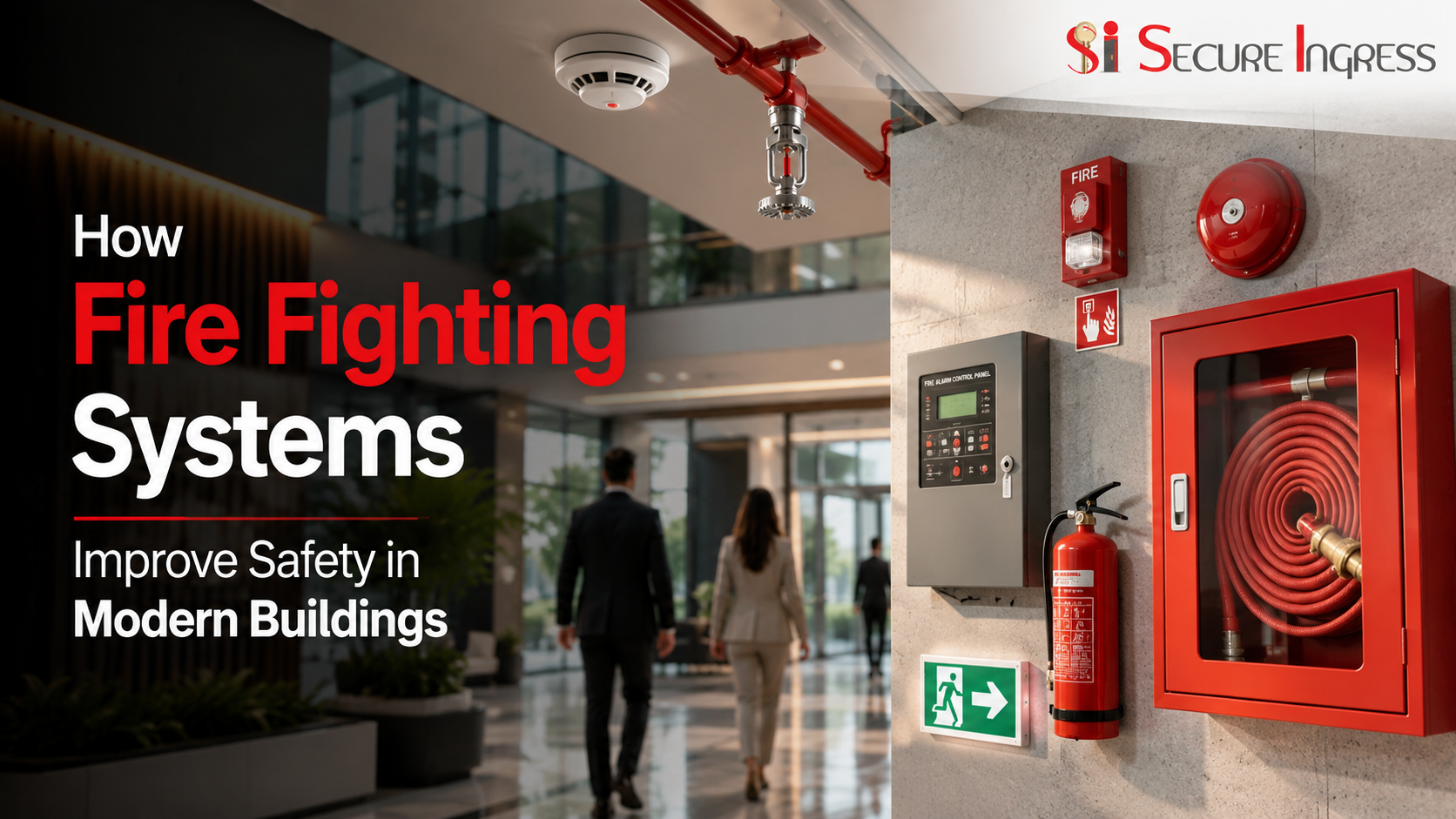
Fire protection is a critical element of building safety, helping safeguard people, assets, and daily operations from the devastating effects of fire. Every structure, whether residential, commercial, or industrial, faces unique fire risks that require carefully planned preventive measures. Installing reliable fire fighting systems is one of the most effective ways to detect, control, and manage fire emergencies before they escalate. A properly designed solution not only supports regulatory compliance but also improves emergency preparedness, minimizes property damage, and enhances overall occupant safety. Long term performance depends on selecting suitable equipment, ensuring correct installation, and maintaining every component through regular inspections.
Understanding Fire Fighting Systems and Their Role
A well-designed fire protection solution consists of several interconnected components that work together during an emergency. Detection devices identify hazards, alarm systems notify occupants, and suppression equipment helps contain or extinguish fires before they spread.
Some essential elements include:
- Fire detection and alarm systems
- Automatic sprinkler installations
- Fire hydrant networks
- Portable fire extinguishers
- Emergency control panels
- Smoke management equipment
Each component plays a specific role, creating a coordinated response that supports safe evacuation and effective firefighting operations.
Selecting the Right Fire Protection Solution
Choosing a qualified fire fighting system contractor is an important step in developing an effective fire safety strategy. Professionals evaluate the building layout, occupancy levels, operational risks, and applicable safety standards before recommending an appropriate solution.
The selection process generally includes:
| Consideration | Importance |
| Risk assessment | Identifies potential fire hazards |
| Building design | Determines suitable system layout |
| Equipment quality | Supports reliable long term performance |
| Regulatory compliance | Meets applicable safety requirements |
| Maintenance planning | Ensures continued system efficiency |
An experienced contractor also conducts testing and commissioning to verify that every component operates correctly before the system becomes fully operational.
Choosing the right provider is just as important as selecting the right fire protection equipment. If you’re evaluating potential service providers, Read how to choose a trusted fire safety partner to understand the key qualities, industry expertise, and long-term support that contribute to reliable fire protection solutions.
Key Features of an Effective Fire Protection System
Reliable fire protection depends on equipment that performs consistently under emergency conditions. Modern systems combine advanced technology with durable construction to improve response times and reduce fire damage.
Important features include:
- Early detection of smoke and heat
- Automatic activation during emergencies
- Reliable water distribution
- Integration with alarm systems
- Easy inspection and maintenance
- Long service life with proper care
Routine maintenance remains essential because even high quality equipment can lose efficiency if inspections are delayed or neglected. Regular servicing helps identify worn components before they affect system performance.
Benefits of Fire Hydrant & Sprinkler Systems
Among the most widely used fire protection solutions are fire hydrant & sprinkler systems because they provide immediate response and dependable support during emergencies. Automatic sprinklers activate when elevated temperatures are detected, helping control fires at an early stage. Fire hydrants provide firefighters with a continuous water supply, allowing them to respond more effectively.
These systems offer several advantages:
- Faster control of developing fires
- Reduced property damage
- Improved occupant safety
- Reliable water availability during emergencies
- Better compliance with fire safety regulations
- Lower interruption to business operations
Regular pressure testing, inspections, and preventive maintenance help ensure these systems remain fully operational whenever they are needed.
Maintaining Fire Protection for Long Term Reliability
Installing a fire protection system is only the beginning. Consistent maintenance ensures dependable performance throughout the equipment’s service life.
A comprehensive maintenance program should include:
- Scheduled inspections
- Functional testing of alarms
- Sprinkler head examinations
- Hydrant pressure verification
- Replacement of damaged components
- Documentation of maintenance activities
Keeping maintenance records also helps demonstrate compliance with safety standards while supporting efficient future inspections. A proactive approach significantly reduces the likelihood of unexpected equipment failure during emergencies.
Frequently Asked Questions
1. Why are fire protection systems important for buildings?
They help detect, control, and suppress fires quickly, reducing risks to occupants while limiting damage to property.
2. How often should fire protection equipment be inspected?
Inspection frequency depends on local regulations and system type, but routine testing and preventive maintenance are recommended throughout the year.
3. Can different fire protection systems operate together?
Yes. Alarm systems, sprinklers, hydrants, and suppression equipment are commonly integrated to provide comprehensive protection.
4. What factors influence the choice of a fire protection system?
Building size, occupancy, fire hazards, applicable regulations, and operational requirements all influence system selection.
5. Why is preventive maintenance necessary?
Regular maintenance helps identify potential issues early, ensuring reliable operation when an emergency occurs.
Conclusion
Effective fire protection requires careful planning, quality equipment, professional installation, and regular maintenance to provide dependable performance throughout a building’s lifecycle. Selecting solutions that match the property’s specific fire risks helps improve safety while supporting regulatory compliance and business continuity. Working with experienced fire suppression system suppliers ensures access to dependable equipment that meets industry standards and long term operational needs. Secureingress understands the importance of integrated fire safety solutions that contribute to safer buildings and improved emergency preparedness.