
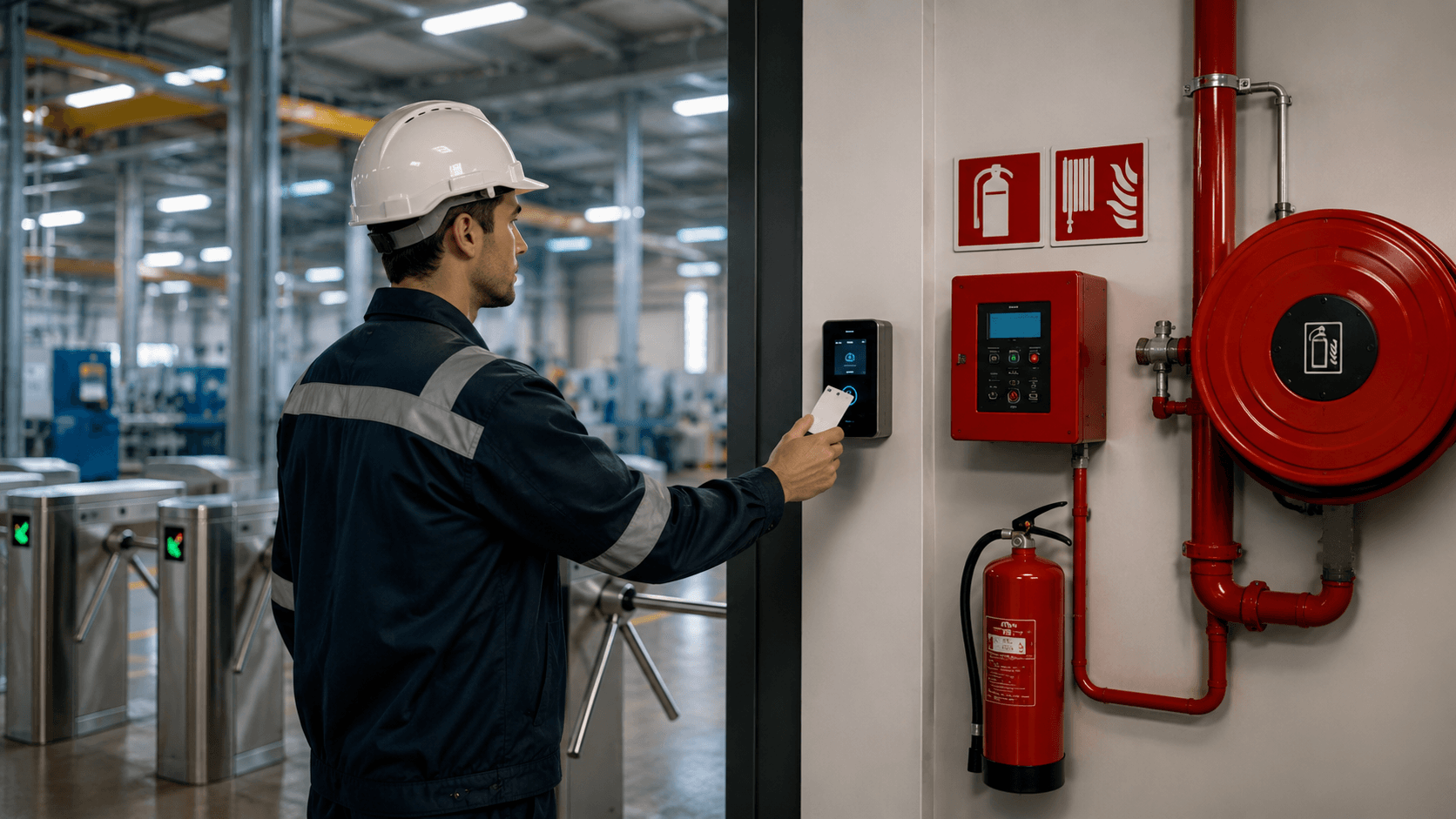
Workplace safety is a critical priority across industries, regardless of the size or nature of operations. Organizations continuously invest in technologies and procedures that help protect employees, visitors, and assets while maintaining efficient workflows. Among these solutions, access management systems have become increasingly important because they regulate movement within facilities and support emergency response planning. When integrated with broader safety infrastructure, including an industrial fire fighting system, access management contributes to a safer and more secure working environment. By controlling entry, monitoring activity, and supporting compliance efforts, these systems play a valuable role in modern workplace safety strategies.
Understanding Access Management Systems
Access management systems are designed to control and monitor who can enter specific areas within a facility. They help organizations establish security protocols while ensuring that only authorized individuals gain access to restricted locations.
Common components of access management systems include:
- Electronic access cards
- Biometric authentication
- Mobile access credentials
- Visitor management tools
- Real-time monitoring platforms
These technologies provide greater visibility into workplace activity and help organizations maintain safer environments by reducing unauthorized access.
Supporting Emergency Preparedness
Effective workplace safety extends beyond preventing unauthorized entry. Access management systems can also enhance emergency preparedness when integrated with safety technologies such as a fire alarm system.
During emergency situations, access management systems can assist by:
- Identifying personnel locations
- Supporting evacuation procedures
- Restricting access to hazardous areas
- Providing emergency response data
- Improving accountability during incidents
These capabilities enable organizations to respond more effectively during unexpected events while helping ensure the safety of occupants.
Improving Compliance and Risk Management
Many industries operate under regulations that require specific safety and security measures. Access management systems help organizations demonstrate compliance by maintaining accurate records of facility access and movement.
The table below highlights how access management systems contribute to workplace safety objectives:
| System Function | Safety Benefit |
| Access Control | Limits unauthorized entry |
| Activity Monitoring | Enhances visibility |
| Visitor Tracking | Improves accountability |
| Audit Records | Supports compliance |
| Emergency Integration | Assists response efforts |
These functions help reduce operational risks while supporting regulatory requirements and organizational safety goals.
Enhancing Coordination with Safety Infrastructure
Modern workplace safety depends on the integration of multiple systems working together. Access management systems are often connected with surveillance platforms, emergency communication tools, and Fire hydrant & sprinkler systems to strengthen overall facility protection.
Benefits of integrated safety systems include:
- Faster emergency response
- Improved situational awareness
- Better communication during incidents
- Enhanced operational efficiency
- Greater workplace resilience
By creating a coordinated safety network, organizations can improve preparedness and reduce the potential impact of emergencies.
The Future of Workplace Access Management
Advances in technology continue to shape the future of workplace safety. Access management systems are becoming more intelligent, connected, and adaptable to changing organizational needs.
Emerging trends include:
- Cloud-based access control
- Artificial intelligence integration
- Mobile credential adoption
- Advanced analytics and reporting
- Enhanced cybersecurity protections
These innovations provide organizations with greater flexibility and insight while strengthening security and safety performance. As workplaces evolve, access management systems will remain an important component of comprehensive safety strategies.
Frequently Asked Questions
1. What is an access management system?
An access management system controls and monitors entry to specific areas within a facility, helping organizations maintain security and safety.
2. How do access management systems improve workplace safety?
They restrict unauthorized access, monitor facility activity, support emergency procedures, and contribute to regulatory compliance efforts.
3. Can access management systems assist during emergencies?
Yes. They can help track occupants, support evacuations, provide emergency response information, and control access to affected areas.
4. Why is integration important in workplace safety?
Integrated systems allow different safety technologies to work together, improving coordination, communication, and response effectiveness.
5. What trends are shaping access management technology?
Cloud-based platforms, artificial intelligence, mobile credentials, advanced analytics, and enhanced cybersecurity measures are influencing future developments.
Conclusion
Access management systems have become an essential part of workplace safety by helping organizations control facility access, improve emergency preparedness, and support compliance requirements. Their ability to integrate with broader safety infrastructure strengthens overall risk management and enhances operational resilience. As technology continues to evolve, these systems will play an even greater role in creating secure and efficient work environments. Companies such as Secureingress recognize the importance of comprehensive safety solutions that combine security, monitoring, and emergency response capabilities. Working alongside a qualified fire fighting system contractor, organizations can develop integrated safety strategies that support long-term workplace protection and operational continuity.