
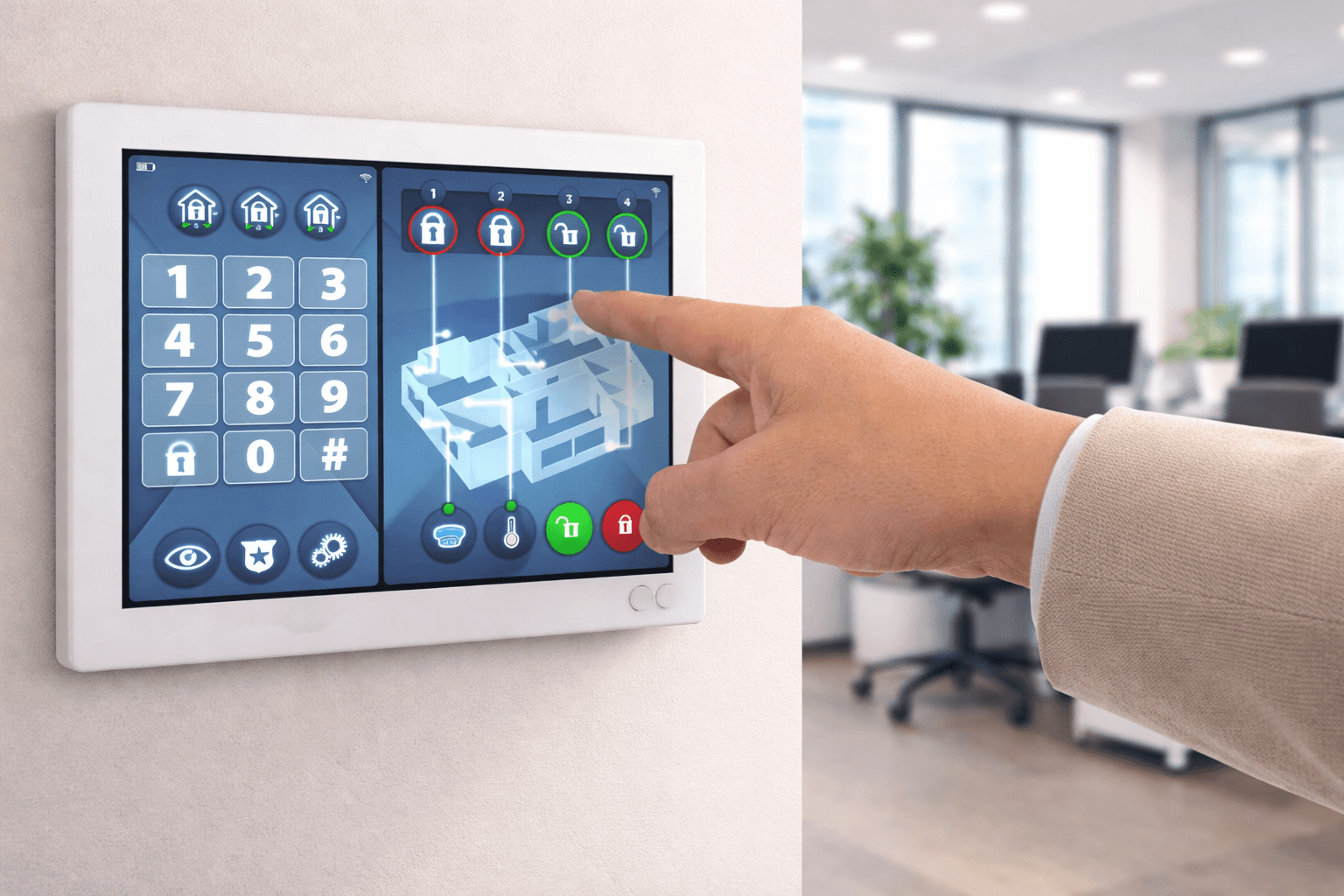
Security is a top priority for businesses today. With increasing concerns about unauthorized entry, data protection, and employee safety, companies are investing in advanced technologies to protect their premises. One of the most effective solutions is the use of access control systems, which allow organizations to regulate and monitor who enters specific areas within a building.
These systems have become a vital part of modern security infrastructure, helping businesses manage entry points while maintaining a safe and organized environment.
Understanding Access Control Technology
Access control technology is designed to restrict or grant entry to individuals based on predefined permissions. Instead of relying on traditional keys, businesses use digital credentials such as cards, PIN codes, biometric verification, or mobile authentication.
These systems work by verifying the identity of a user before allowing them to enter restricted areas. Once authenticated, the system records the entry activity, allowing administrators to track movement within the premises.
Organizations often implement door access control systems for business to ensure that only authorized personnel can access specific rooms, departments, or buildings.
Types of Access Control Systems
Different organizations require different levels of security. As a result, access control solutions are available in various forms to meet specific needs.
Common Types of Systems
- Card Based Access Systems
Employees use RFID or smart cards to gain entry to secured areas. - Biometric Access Systems
These systems verify identity using fingerprints, facial recognition, or retina scanning. - PIN Based Entry Systems
Access is granted after entering a secure numeric code. - Mobile Based Access Systems
Smartphones or digital credentials allow entry without physical cards.
These technologies help organizations manage access efficiently while reducing the risks associated with lost keys or unauthorized duplication.
Core Components of an Access Control Setup
A well designed access control system consists of several interconnected components that work together to regulate entry and maintain security.
| Component | Function |
| Access Control Panel | Processes authentication and manages system operations |
| Card or Biometric Reader | Identifies users attempting to gain entry |
| Electronic Locks | Secure doors and allow controlled unlocking |
| Management Software | Monitors activity and controls user permissions |
| Credentials | Cards, biometrics, or digital tokens used for identification |
By integrating these components, businesses can create reliable commercial access control systems that support secure and organized operations.
Benefits of Installing Access Control Systems
Modern access control technology offers several advantages for businesses, especially those managing large teams or sensitive information.
Key Benefits
- Improved security by restricting unauthorized access
- Real time monitoring of employee and visitor movement
- Reduced dependence on traditional keys
- Easy management of access permissions
- Detailed records of entry and exit activity
These features help organizations maintain accountability while ensuring that only authorized personnel can enter specific areas.
Applications Across Different Industries
Access control solutions are widely used across various industries where security and controlled entry are essential.
Major Sectors Using Access Control
- Corporate Offices
Offices use access control to protect sensitive departments and data centers. - Healthcare Facilities
Hospitals restrict entry to medical storage areas and patient records departments. - Educational Institutions
Schools and universities manage access to laboratories, hostels, and administrative offices. - Industrial Facilities
Manufacturing plants secure restricted zones and equipment areas. - Retail and Commercial Buildings
Shopping complexes and malls manage staff and service access efficiently.
Many organizations collaborate with experienced access control systems manufacturers to ensure reliable and scalable security infrastructure.
Future Trends in Access Control Technology
Technology is continuously transforming how security systems operate. Modern access control solutions are increasingly integrated with smart technologies and digital platforms.
Emerging trends include:
- Cloud based access control management
- Mobile credentials replacing physical cards
- Integration with surveillance and alarm systems
- AI powered identity verification
- Remote access management through mobile applications
These innovations are helping businesses create smarter and more responsive security systems.
Conclusion
Access control systems have become an essential part of modern security infrastructure. By managing entry points, monitoring movement, and maintaining detailed access records, these systems provide businesses with greater control over their facilities.
Organizations looking to improve their security framework should invest in reliable and scalable access control solutions. Secure In Gress provides advanced security technologies designed to help businesses create safer and more efficient environments through modern access control solutions.