
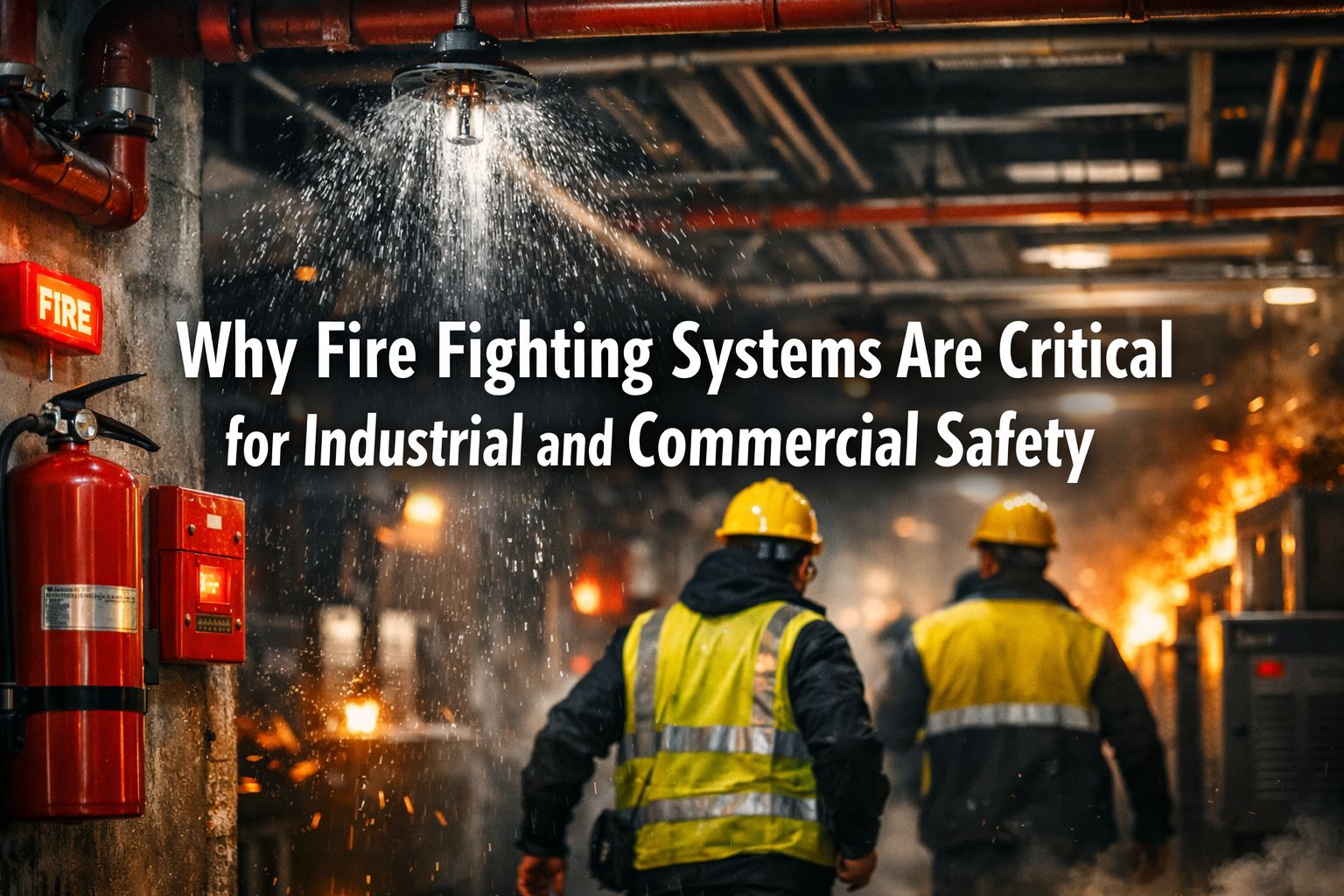
Fire safety is an essential part of infrastructure planning for industries, commercial spaces, and residential developments. Fires can cause severe damage to property, disrupt operations, and endanger lives. To minimize risks and ensure quick response during emergencies, organizations rely on a professionally designed industrial fire fighting system that detects and controls fire hazards effectively.
Modern fire protection technology integrates detection, alarm, and suppression solutions. These systems help prevent fire escalation while ensuring compliance with safety standards and regulations.
Understanding Fire Fighting Systems
Fire fighting systems are designed to detect fire at an early stage and activate suppression mechanisms. They combine sensors, alarms, and extinguishing equipment to respond quickly. These systems are particularly important in industrial environments where machinery, chemicals, and electrical equipment increase the risk of fire.
Organizations typically work with a professional fire fighting system contractor to design solutions based on facility layout and hazard level. Proper planning ensures that all areas are covered and emergency response is immediate.
Core Components of Fire Fighting Infrastructure
A complete fire fighting setup includes multiple components that work together to detect and control fire incidents.
| Component | Purpose |
| Fire Alarm Panel | Monitors sensors and triggers alerts |
| Smoke Detectors | Detect smoke particles |
| Heat Detectors | Identify abnormal temperature rise |
| Sprinkler Systems | Automatically release water |
| Fire Hydrants | Provide water supply for firefighting |
| Fire Extinguishers | Manual suppression of small fires |
When these components are integrated, they form reliable fire fighting systems capable of minimizing damage and protecting lives.
Benefits of Installing Fire Fighting Systems
Fire protection systems provide several advantages for industries and commercial buildings. They improve safety while reducing operational risks.
Key Benefits
- Early detection of fire hazards
- Automatic suppression to control fire spread
- Protection of assets and infrastructure
- Compliance with safety regulations
- Improved emergency preparedness
- Reduced downtime due to incidents
- Increased safety for employees and visitors
These benefits make fire fighting systems essential for modern infrastructure.
Types of Fire Fighting Systems
Different facilities require different fire protection methods depending on risk level and operational environment.
Common Types
- Sprinkler systems for automatic fire suppression
- Hydrant systems for large scale fire control
- Gas suppression systems for sensitive equipment areas
- Foam systems for flammable liquid environments
- Portable extinguishers for immediate manual response
Many organizations source equipment from trusted fire fighting system manufacturers in India to ensure quality and reliability.
Applications Across Industries
Fire fighting systems are used across multiple sectors where safety is critical. These systems help protect both infrastructure and occupants.
Major Applications
- Manufacturing plants with heavy machinery
- Warehouses storing large quantities of goods
- Commercial complexes and office buildings
- Hospitals and healthcare facilities
- Educational institutions and campuses
- Residential high rise buildings
These applications highlight the importance of proper fire safety planning.
Features of Modern Fire Fighting Systems
Modern fire protection technology includes advanced features that improve response time and monitoring capabilities.
Common Features
- Automatic fire detection sensors
- Centralized alarm systems
- Remote monitoring capabilities
- Integration with building management systems
- Quick response suppression mechanisms
- Real time alerts and notifications
These features help organizations respond quickly to emergencies and reduce damage.
Factors to Consider Before Installing Fire Fighting Systems
Before implementing fire protection solutions, organizations should evaluate several important factors.
Important Considerations
- Nature of fire risks in the facility
- Size and layout of the building
- Required type of suppression system
- Compliance with safety regulations
- Maintenance and service requirements
- Integration with existing infrastructure
Proper planning ensures long term reliability and effective fire protection.
Conclusion
Fire safety systems are essential for protecting people, infrastructure, and operations from potential fire hazards. By combining detection and suppression technologies, organizations can minimize risks and ensure quick emergency response. Secure In Gress provides reliable fire protection solutions designed to support industrial and commercial environments with advanced technology and professional implementation.